on 06/10/2026
You don't need binoculars the size of drainpipes to enjoy birds in Cornwall. Stand on a clifftop at the right moment and a chough might land a few feet from you. Wait by the marshes at Marazion at dusk and thousands of starlings can turn the sky into a living ink blot.
The county sits at the end of the line for a huge amount of bird movement, which is why serious birders have been coming here for decades. Autumn and winter are the best time to join them. Here's where to go, what you might see, and when.
| What | Where | Best time |
|---|---|---|
| Starling murmurations | RSPB Marazion Marsh, near Penzance | Dusk, from late autumn through winter (varies by year) |
| Waders | RSPB Hayle Estuary | Autumn and spring |
| Autumn migrants and rarities | Porthgwarra and the Land's End valleys | Autumn |
| Unusual Seabirds (seawatching) | Pendeen Watch and Gwennap Head, Porthgwarra | Spring or Autumn after a southernly storm |
| Cornish choughs | The Lizard, Cape Cornwall, Botallack | Year-round |
| Estuary birds | Camel Estuary and Walmsley Sanctuary, near Wadebridge | Autumn and winter |
If you only do one birdy thing in Cornwall this winter, make it this one.
Marazion Marsh is Cornwall's largest reedbed, in the shadow of St Michael's Mount. Starlings gather here to roost, and just before dusk they wheel and swirl in huge shape-shifting clouds before dropping into the reeds for the night. Starlings from colder parts of Europe boost the numbers over winter.
When to go: Roosts typically build up from around November, but it varies. The RSPB notes that in some years starlings roost at Marazion from October to December. Aim for the hour or so before sunset, and check starlingsintheuk.co.uk for recent sightings before you set off.
Where to watch: The seafront pavement has a viewing bay overlooking the reedbeds. You don't need anything special, as the show is overhead. Wrap up warm, because it gets cold once the sun goes.
The marsh is also an important wintering site for bitterns, and a regular stopover for the globally threatened aquatic warbler. Over 250 bird species have been recorded here.
Hayle is the most south-westerly estuary in the UK and one of the best places in the county to see birds in large numbers. Winter brings teal, and wigeon and during summer months you might spot Shelducks with their broods of ducklings.
It also has a reputation for turning up the unexpected. A ring-billed gull from North America has returned in recent winters, and rarities show up regularly. Check the tide, because high tide pushes the birds closer.
Hayle and Marazion are close enough to combine in a single day. Do Hayle in the morning and be at Marazion for dusk.
Cornwall's far west juts out into the Atlantic, so tired migrants turn up here after crossing the sea. Porthgwarra, a wooded valley near Land's End, is one of the county's most famous birding spots.
In autumn the trees and scrub here can hold pied and spotted flycatchers, yellow-browed warblers and firecrests. The surrounding moor gets wheatears, whinchats and the occasional lapland bunting. Strong westerly winds can push in American vagrants from across the Atlantic, and birders have logged some real headline-grabbers here in past autumns. Most visitors won't find a rarity, but the chance of one is what keeps people coming back.
The coastal valleys around Cot Valley, Nanquidno and Kenidjack are also worth a wander.
Seawatching means sitting on a headland and watching seabirds pass in the distance. It sounds dull but it is wildly addictive. Pendeen Watch and Gwennap Head at Porthgwarra are regularly described as among the best seabird-passage sites in the UK.
The big summer shearwater movements are mostly over by autumn, but October and November bring their own interest. Birders record Leach's Storm Petrels, a variety of Shearwaters, Skuas, divers, and auks, sometimes in their thousands. Strong south-westerly winds are best.
You'll often find a few regular watchers on the headlands, and most are happy to help a beginner pick out a bird. Seawatching weather is also rough weather, so stay behind barriers, keep well back from cliff edges, and don't go out in a gale you wouldn't want to stand in.
Not everything is in the far west. The Camel Estuary near Wadebridge is a good place to see estuary birds in autumn and winter. Walmsley Sanctuary, run by the Cornwall Birdwatching and Preservation Society, sits on its edge. It was the first shooting-free sanctuary of its kind in the UK. The Society also has a hide on the estuary nearby. Boots are advisable, as the path can be muddy.
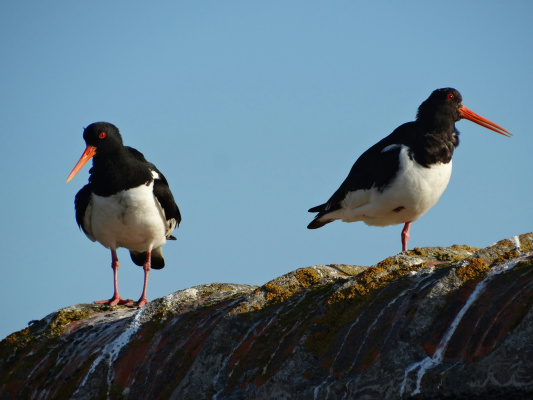
Off the south coast, Looe Island has been a Cornwall Wildlife Trust nature reserve since the 1960s. It's home to cormorants, shags, fulmars, oystercatchers, and a major breeding colony of great black-backed gulls. Check the Trust's site for how and when you can visit.
The red-billed, red-legged chough is Cornwall's emblem bird, and its return is one of the county's best conservation stories. Choughs disappeared from Cornwall by the middle of the 20th century. In 2001 wild choughs were seen at Lizard Point for the first time in over 50 years, and they've been building their numbers since.
You can see them all year round. Good places to try:
Listen for the call as well as looking. In late summer and autumn, family groups join up into noisy flocks, so you may see several at once.
What's the best time of year for bird watching in Cornwall? Autumn and winter are the best overall. Autumn brings migrants and seabird passage in the far west, and winter brings wildfowl, waders and starling murmurations. Choughs can be seen all year.
Where can I see starling murmurations in Cornwall? RSPB Marazion Marsh near Penzance is the best-known spot. The birds gather at dusk, usually from around November, though the timing varies from year to year. Check starlingsintheuk.co.uk for recent sightings.
Where can I see Cornish choughs? The Lizard, Cape Cornwall and Botallack are good places to try. You can see them year-round, and the National Trust Wildlife Watchpoint at Lizard Point is a good place to ask where they've been spotted.
Do I need expensive equipment? No. A decent pair of binoculars and warm, waterproof clothes will do. Murmurations and choughs don't need any gear at all.
Where are the best RSPB reserves in Cornwall? RSPB Hayle Estuary and RSPB Marazion Marsh, both in West Cornwall and close enough to visit on the same day.
Browse Cornwall cottages, lodges and holiday homes with Select Cornwall. Find our hand-picked properties here!


